English for Heroes
Supporting wounded IDF soldiers through one-on-one English tutoring

English for Heroes

Supporting wounded IDF soldiers through one-on-one English tutoring

Volunteer Application Form
Please note: We may currently have more volunteers than tutoring needs. Not every application will lead to a match — if a suitable opportunity arises, we’ll reach out directly (no need to follow up).
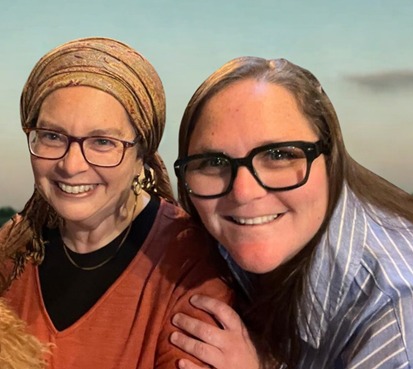
Holly Harris and Leah Karp

Leah Karp & Holly Harris

About English for Heroes

Hi, we’re Leah Karp and Holly Harris.

English for Heroes began with a simple goal: to support wounded IDF soldiers in a way that is practical, meaningful, and lasting. Over the past year and a half, we’ve had the privilege of supporting nearly 200 IDF Heroes, each paired with a native English-speaking volunteer for personalized, one-on-one English tutoring.

As a program created specifically for wounded soldiers, our hope is that the need for this support will one day lessen. In the meantime, we’re incredibly grateful that so many people are eager to volunteer. At times, this means we have more volunteers than current tutoring needs.

Not every application will lead to a match, but if and when a suitable opportunity arises, we’ll reach out directly — there’s no need to follow up.

Your willingness to help is deeply appreciated, and every volunteer who steps forward plays a part in making this initiative possible.

Have questions? Please review our FAQs below first. For anything else, feel free to contact us at englishforheroes@gmail.com.

English for Heroes – Volunteer FAQ

1. What does volunteering with English for Heroes involve?
You’ll provide one-on-one English support to wounded IDF soldiers, our Heroes. Sessions are conversational and practical, based on the Hero’s need. No formal lesson prep is needed. Your role is to help Heroes feel confident and supported while improving their English.
2. Who are the Heroes?
Our Heroes are IDF soldiers who have been wounded, most during the October 7 War. Some may wish to share their experiences, while others simply want a relaxing, uplifting space away from war-related activities. Volunteers should approach each session with patience, compassion, and respect. You are not a therapist, and under no circumstances should you pry into personal stories.
3. Do I need teaching experience?
No formal teaching experience is required! The most important thing is being a native English speaker who can guide, listen, and encourage.
4. How much time is involved?
Sessions usually take place once a week and typically last about an hour.
5. Is this online or in person?
Both options are available. You’ll be able to specify your preference on the form, so you can volunteer in the way that works best for you.
6. How does matching work?
We match volunteers with Heroes based on availability, location (for in-person sessions), and needs. Once a match is confirmed, you’ll join our Volunteers WhatsApp group, where you can connect with other volunteers, share experiences, and get support. You’ll also have access to our comprehensive resource database to help guide your sessions.
7. Can I say no to a match?
Yes. If a match doesn’t feel like a good fit, you have the choice not to accept it.
8. What happens after I submit the form?
After reviewing submissions, we’ll reach out only if there’s a need. Since our program serves wounded IDF soldiers, we hope there won’t be more in the future! And thanks to the generosity of the Nation of Israel, we currently have more volunteers than Heroes. That’s a wonderful problem to have! If you don’t hear from us immediately, it doesn’t mean you’re not valued – we’ll just keep you on file for if there’s a need.
9. What if I’m not contacted right away?
Not every submission results in a match. If a match does come up, we’ll contact you, there’s no need to follow up. Your willingness to help is already deeply appreciated, and having extra volunteers is a gift we’re grateful for.